


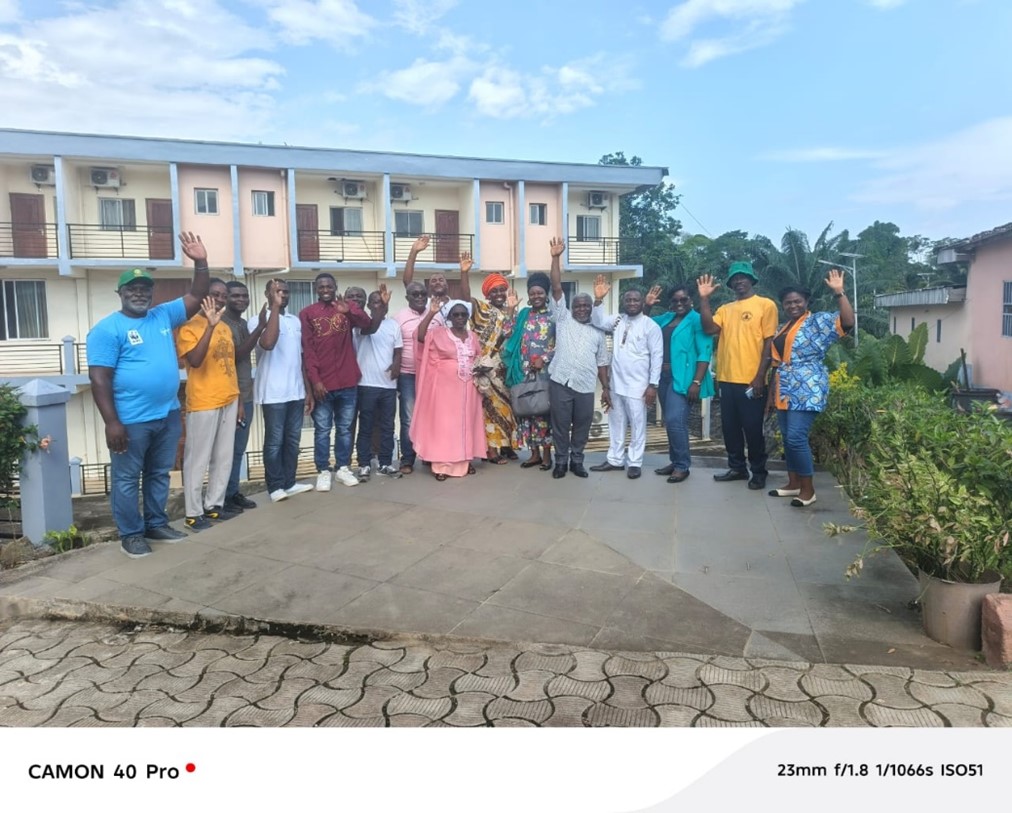
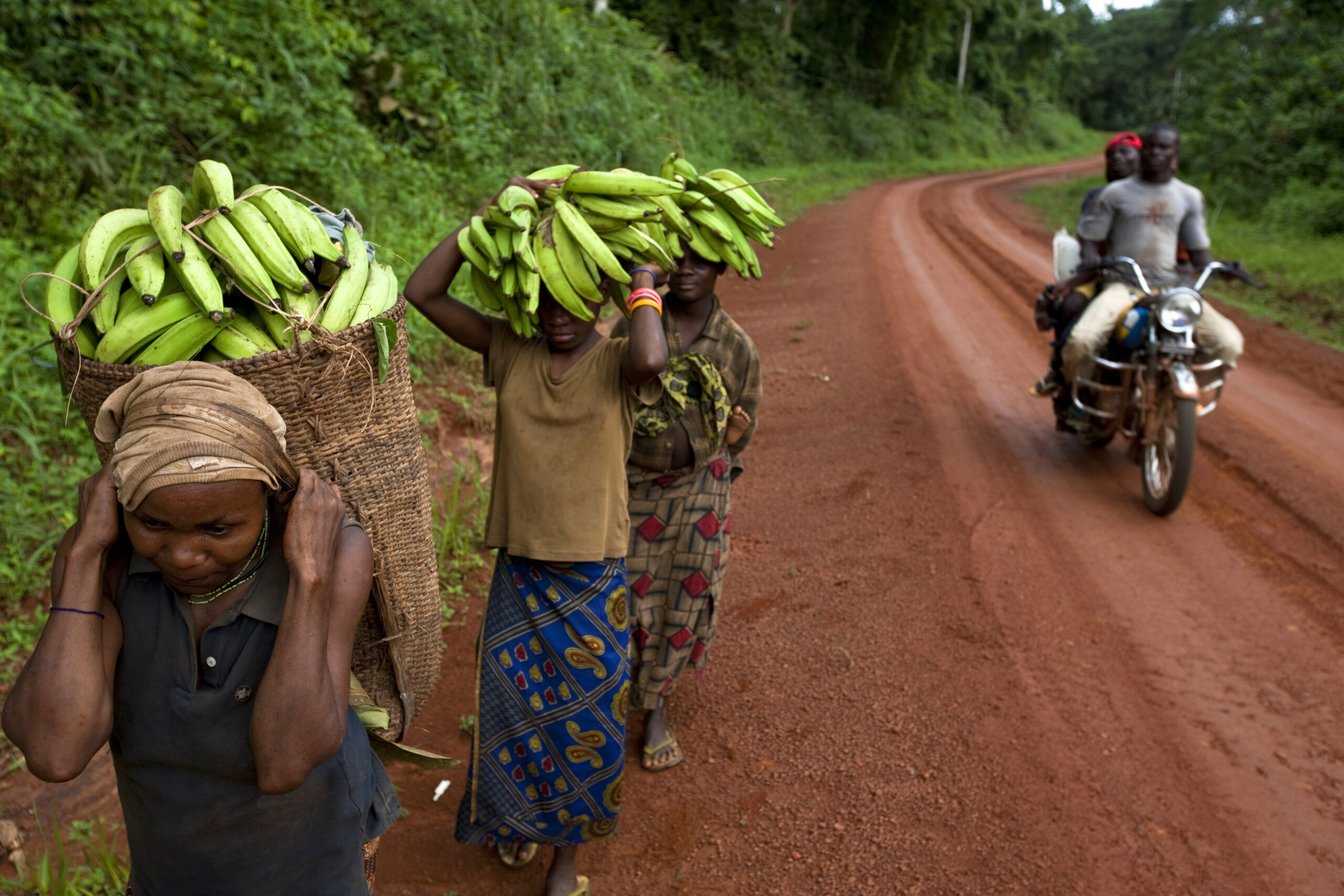
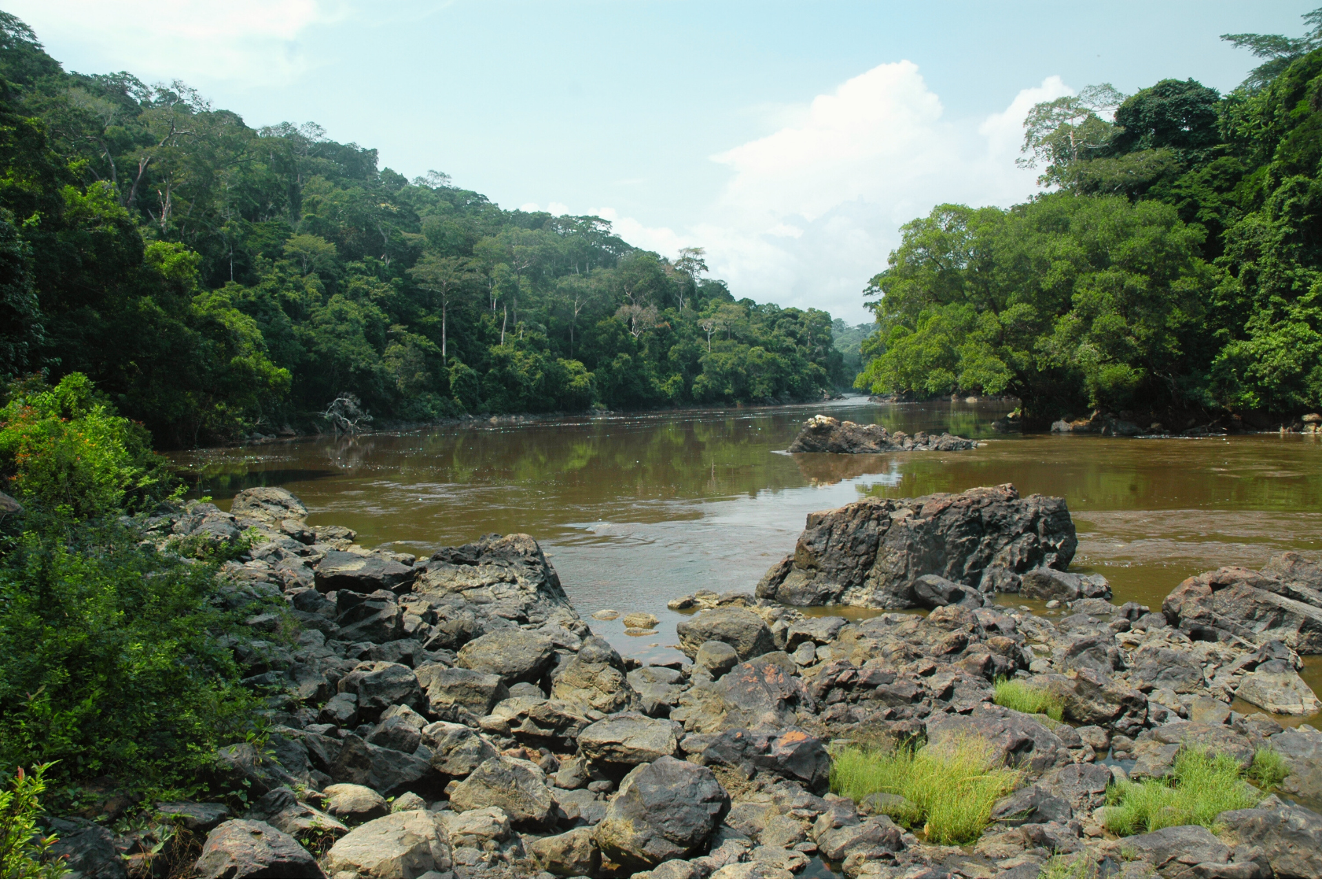
In the dense, biodiverse forest landscapes of eastern and southern Cameroon, spanning TNS, TRIDOM, KZP, and CFP, local communities have long faced a difficult reality. While these forests are global conservation priorities, the people who live there often struggle with human rights challenges, land conflicts, and human-wildlife tensions. A recent joint training and monitoring meeting which took place in Kribi on May 27th to 30th, 2026 shed light on how a formal Grievance Redress Mechanism (GRM) is starting to change that.
The meeting, supported by GEF7, CANOPE, and Pro Campo in collaboration with WWF CCO and RACOPY, revealed some hard truths. In these landscapes, community members face:
· Land grabbing and illegal sale of cocoa plantations, leaving families displaced and livelihoods destroyed.
· Child exploitation which is often linked to poverty and lack of oversight.
· Alcoholism with severe social and health consequences.
· Human-wildlife conflict, crop raiding and attacks that are rarely treated as natural disasters, leaving victims without compensation.
Without a trusted, accessible way to report these issues, grievances fester. Trust in conservation organizations erodes, and communities may resist conservation efforts altogether. The impact is a broken relationship between people and projects meant to protect nature.
How the GRM Is Making a Difference
The Kribi meeting focused on evaluating the GRM’s performance over 2025–2026. The impact so far is clear: when communities know their voice will be heard, they engage more openly. But gaps remain. Many people still do not understand how to file a complaint, and local authorities are often bypassed.
To deepen impact, the group made several key recommendations:
· Culturally adapted awareness tools. Short videos, radio messages, and posters in local languages. This means a mother in a remote village can learn her rights without needing to read a legal document.
· Training community relays. These local volunteers will now receive formal training on human rights, documentation, confidentiality, and victim support. Their role will be clarified through formal engagement letters, reducing confusion and building trust.
· Stronger legal support, for example, a detailed review of the eco-guard case in Nki will lead to concrete legal actions, ensuring justice is not just promised but delivered.
· Human-wildlife conflict as a natural disaster. WWF and GEF7 will advocate with the government to recognize these conflicts as eligible for disaster relief, potentially unlocking compensation for affected families.
A Roadmap for 2027 and Beyond
The meeting also called for a formal GRM procedures manual, quarterly reporting to the Human Rights Commission (CDHC), and a sustainable funding strategy.
When a farmer can report a destroyed crop without fear, when a child’s exploitation is documented and acted upon, when a community trusts that conservation means partnership not predation, that is the true impact of a functioning grievance mechanism.
The Kribi meeting was not an end but a turning point. And for the people of Cameroon’s forest landscapes, that turning point brings hope.





Leave a Reply